
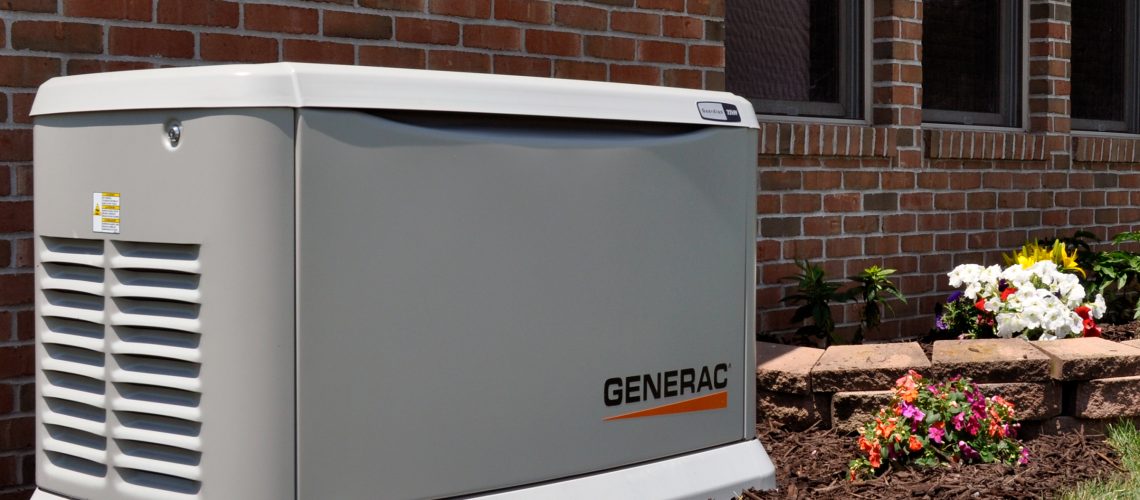
Do you live in a location that frequently experiences power outages or blackouts? Are you sick of lighting candles and getting out a camping stove when this happens? If so, then it’s a very smart idea to install a standby generator. A whole-home standby generator acts as a backup power source for your home. It won’t be active all the time, but it kicks into action whenever your regular power source dwindles.
There are many benefits to having a standby generator – such as preventing power surge damage and ensuring your home has electricity during power outages. It’s an investment that can make your life a lot easier, but there are many things to consider before you purchase and install one. Primarily, where is the best location to install your standby generator? Can it be installed anywhere in your home, or are there specific places you should put it?
Check the Owner’s Manual
When purchasing your generator, you’ll have access to the owner’s manual. Here, it will explain how you use your generator, how to maintain it, and also how to install it. Don’t worry, you won’t be expected to install it yourself – in fact, it’s recommended that you don’t! Nevertheless, the installation guide will give you an idea as to where this generator should be placed. Typically, manufacturers provide a few different locations to install your generator. These locations are picked by them as they believe they are the best places for their generator to stay.
So, your first step is seeing where the manufacturer recommends you place your generator. From here, you can move on to the next step…
Home Generator Placement Regulations
Regardless of where the manufacturer recommends your generator goes, you need to check the local building regulation codes in your area. This is because there will be rules regarding where a whole-home generator can be situated. Standards require all parts of a standby generator to be placed at least five feet away from windows, doors and other wall openings. Not only that, but you will need a permit that lets you install your generator. There can also be regulations that insist you install a generator pad as well – this is usually a concrete bed for your generator to sit on. All of these things must be taken into consideration before you choose your generator location.
Yes, this can all be confusing, so your best approach is to work with an experienced generator installation company. They will know everything there is to know about local building codes and permits, guiding you through the process. From here, you can work together to find the perfect spot for your new generator.
The Perfect Place for Your Generator
Naturally, you should install your generator outside of your home. This is simply the most convenient place to install your generator, and there are various reasons for this. Firstly, it is easier to connect to a gas line from outside, and you also don’t have to worry so much about the noise.
Of course, you may have many places outside your home to put your generator. So, where is the perfect place?
Away from Bedrooms
Don’t place your generator near bedrooms as the noise can be off-putting and make it difficult for people inside your home to sleep.
Away from Neighbors
Try to install your generator as far away from your neighbor’s bedrooms as possible. Again, this is because you don’t want to disrupt them with the noise your product will make when turned on.
With the Exhaust Facing Away from the Home
You should install your generator in a location that lets the exhaust face away from your property. This means that any wind can blow it away from your home, ensuring no fumes enter through windows or doors.
In an Open Space
Ideally, your generator needs to be in an open space. This is because it stops exhaust fumes from getting trapped in one location, allowing your generator to ventilate. Furthermore, you also want your generator to be in an open space away from other objects to reduce the risk of fires. Not only that but there needs to be enough space to allow for regular maintenance and servicing.
On Stable Ground
Finally, you have to place your generator on stable ground. Ensure that the ground isn’t subject to flooding as this can cause all sorts of problems. As mentioned before, a generator pad might be required if your land isn’t stable enough naturally.
If you need help throughout the whole-home generator installation process, we can be of service to you. We specialize in generator installation and can make everything less stressful and more efficient. To minimize the risk of safety concerns, fines, or damage to your property, contact us today.
Frequently Asked Questions: Standby Generator Installation Placement
1. Can I install a whole-home standby generator indoors?
No, you should always install your standby generator outside of your home. Installing it outdoors makes it easier to connect to a gas line, reduces indoor noise disruptions, and prevents dangerous exhaust fumes from getting trapped inside your property.
2. How far away from windows and doors does a standby generator need to be?
According to standard building regulation codes, all parts of a standby generator must be placed at least five feet away from windows, doors, and any other wall openings. This is a critical safety measure to ensure that toxic exhaust fumes do not enter your home.
3. Do I need a permit to install a whole-home standby generator?
Yes, local building codes typically require you to obtain a permit before installing a standby generator. Depending on your local regulations, you may also be required to install a generator pad, which is a concrete bed for your generator to sit safely on. Working with an experienced installation company can help you navigate these local rules easily.
4. Where is the best place in my yard to position a standby generator?
The perfect place for your generator is in an open space on stable, flood-free ground. It should be positioned away from your bedrooms as well as your neighbors’ bedrooms to minimize noise disruptions. Additionally, the unit must be placed so the exhaust faces away from your home, allowing the wind to safely blow fumes away from any doors or windows.